Theme: RIGHT FIELD (54A: Baseball position... or this puzzle's theme)
17A: Oscar winner in 37D: SALLY FIELD
22A: Second shortest serving U.S. president: JAMES A. GARFIELD
35A: "Catcher in the Rye" character: HOLDEN CAULFIELD
45A: "The Wayward Bus" co-star: JAYNE MANSFIELD
David Copperfield is another RIGHT FIELDer. But his name has 16 letters. Won't fit in this 15*15 grid.
I did not know that JAMES A. GARFIELD is the "Second shortest serving U.S. president" (199 days). Brian Williams of "NBC Nightly News" is working on a book about the assassination of GARFIELD I think.
Knew JAYNE MANSFIELD, but I had never heard of "The Wayward Bus". I was so proud that I got HOLDEN CAULFIELD. I remember his name not from "Catcher in the Rye" (too many curses in the book), but from Jennifer Aniston's "The Good Girl". Her love interest in the movie named himself Holden Worther because he thinks his life mirrors that of HOLDEN CAULFIELD.
Luckily 17A, 37D and 38D are not difficult to obtain today, cross-referencing clues can be frustrating sometimes.
Why is A-ROD (28A) clued as "2005 baseball MVP"? Something special about his 2005 season? He was the MVP in 2003 and 2007 too. I can never understand why Seattle Mariners did not try hard enough to keep players like A-ROD, Ken Griffey Jr, Randy Johnson, etc.
Across:
1A: Scale with no sharps or flats: C MAJOR. Is it really a key for happy music?
14A: Sumptuous: DELUXE. I always associate "Sumptuous" with a lavish meal.
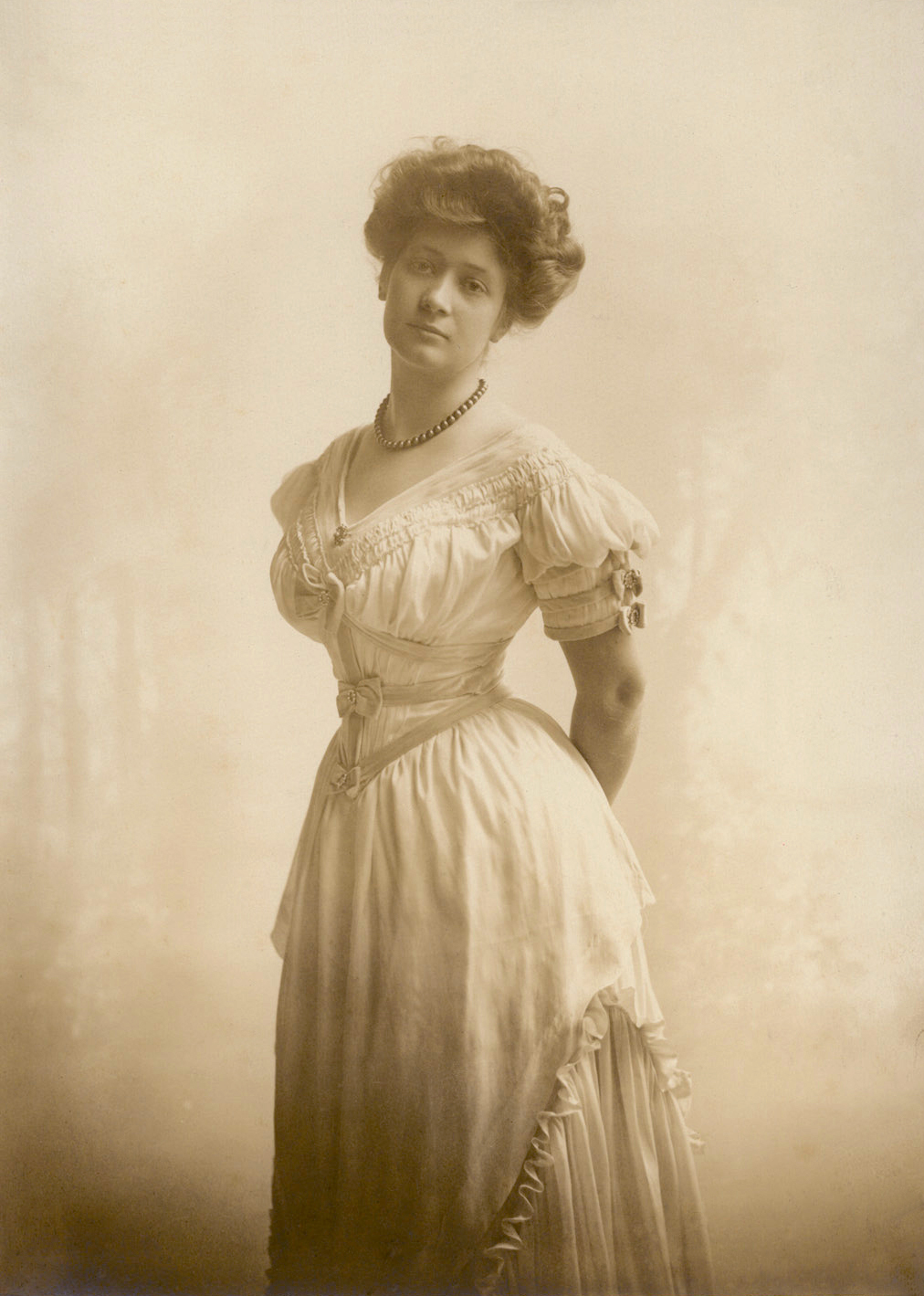
15A: Fashion designer Kawakubo: REI. No idea. This photo looks very familiar though. Here are some her designs. So edgy.
19A: Norse VIP: ODIN. We got Friday from Frigg, wife of ODIN.
20A: Slip-on slipper: MULE. I wonder why they are called MULE slippers.
27A: Essen article: EIN. And LES (57D: French article)
32A: I. M., the architect: PEI. Someday I am going to visit the JFK Library. PEI was born in Guangzhou, where I lived for five years before moving to the US. I like the clue. It reminds me of the funny name Ima Hogg.
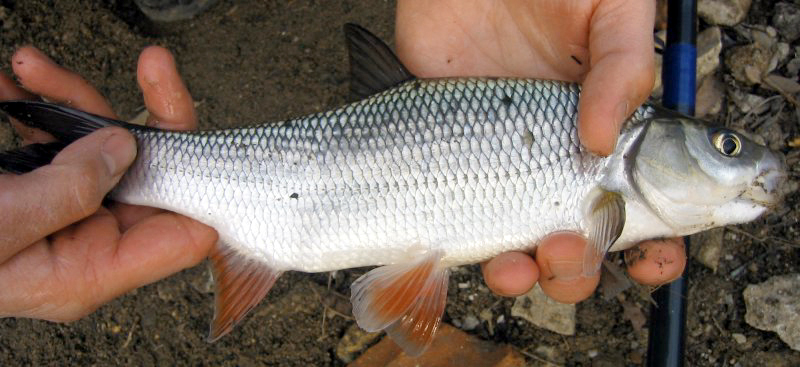
41A: Small silvery swimmer: DACE. New fish to me. Looks like a small carp.
43A: Airline to Madrid: IBERIA. Have never heard of IBERIA Airlines. It's the national airline for Spain. I am more used to "Spain's peninsula" for IBERIA. Nice, fresh clue though.
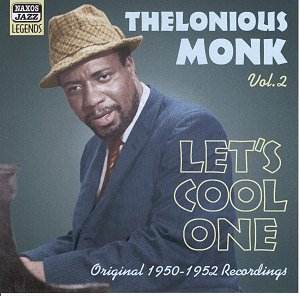
53A: Pianist Thelonious: MONK. Too obscure an MONK for me. Why would his parent name him Thelonious? Sounds like a Greek mythological figure with 12 heads living in the Hades.
Down:
3D: The works: ALL. Why?
5D: Water part: OXYGEN. H2O.
7D: Shorthand system: GREGG. Is it still in use today?
8D: Macedonian capital of old: PELLA. See this map. New name to me. It's the birthplace of Alexander the Great.
9D: Of stars: SIDEREAL. I was surprised that I had never seen this word before. It's rooted in sidus, Latin for star.
10D: Get a close-up: ZOOM IN
11D: Provide (with): ENDUE. Only know ENDOW.
22D: One of a court dozen: JUROR. "12 Angry Men" is a great movie.
23D: Soap plant: AMOLE. Learned from doing crossword. Don't know why it's called "Soap plant". Can you wash your clothes with AMOLE?
24D: Safety grp.: MADD (Mothers Against Drunk Driving)
25D: Feudal estate: FIEF
32D: Wisdom unit?: PEARL. Plearls of wisdom.
33D: Heston title role: EL CID. Have you seen the movie? Is it romantic?
37D: Movie starring 17A: NORMA RAE
43D: Should that be the case: IF IT IS
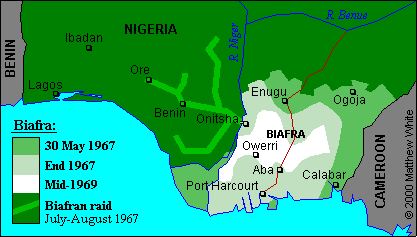
44D: Nigerian Civil War side: BIAFRA. Here is the map. The Civil War in 1967. I know nothing about it.
45D: Economy-size: JUMBO. I often confuse JUMBO with jumble.
47D: "Fiddler on the Roof" role: YENTE. I just learned this morning that YENTA is a back-formation of YENTE, which is an alteration of YENTL.
C.C.
17A: Oscar winner in 37D: SALLY FIELD
22A: Second shortest serving U.S. president: JAMES A. GARFIELD
35A: "Catcher in the Rye" character: HOLDEN CAULFIELD
45A: "The Wayward Bus" co-star: JAYNE MANSFIELD
David Copperfield is another RIGHT FIELDer. But his name has 16 letters. Won't fit in this 15*15 grid.
I did not know that JAMES A. GARFIELD is the "Second shortest serving U.S. president" (199 days). Brian Williams of "NBC Nightly News" is working on a book about the assassination of GARFIELD I think.
Knew JAYNE MANSFIELD, but I had never heard of "The Wayward Bus". I was so proud that I got HOLDEN CAULFIELD. I remember his name not from "Catcher in the Rye" (too many curses in the book), but from Jennifer Aniston's "The Good Girl". Her love interest in the movie named himself Holden Worther because he thinks his life mirrors that of HOLDEN CAULFIELD.
Luckily 17A, 37D and 38D are not difficult to obtain today, cross-referencing clues can be frustrating sometimes.
Why is A-ROD (28A) clued as "2005 baseball MVP"? Something special about his 2005 season? He was the MVP in 2003 and 2007 too. I can never understand why Seattle Mariners did not try hard enough to keep players like A-ROD, Ken Griffey Jr, Randy Johnson, etc.
Across:
1A: Scale with no sharps or flats: C MAJOR. Is it really a key for happy music?
14A: Sumptuous: DELUXE. I always associate "Sumptuous" with a lavish meal.
15A: Fashion designer Kawakubo: REI. No idea. This photo looks very familiar though. Here are some her designs. So edgy.
19A: Norse VIP: ODIN. We got Friday from Frigg, wife of ODIN.
20A: Slip-on slipper: MULE. I wonder why they are called MULE slippers.
27A: Essen article: EIN. And LES (57D: French article)
32A: I. M., the architect: PEI. Someday I am going to visit the JFK Library. PEI was born in Guangzhou, where I lived for five years before moving to the US. I like the clue. It reminds me of the funny name Ima Hogg.
41A: Small silvery swimmer: DACE. New fish to me. Looks like a small carp.
43A: Airline to Madrid: IBERIA. Have never heard of IBERIA Airlines. It's the national airline for Spain. I am more used to "Spain's peninsula" for IBERIA. Nice, fresh clue though.
53A: Pianist Thelonious: MONK. Too obscure an MONK for me. Why would his parent name him Thelonious? Sounds like a Greek mythological figure with 12 heads living in the Hades.
Down:
3D: The works: ALL. Why?
5D: Water part: OXYGEN. H2O.
7D: Shorthand system: GREGG. Is it still in use today?
8D: Macedonian capital of old: PELLA. See this map. New name to me. It's the birthplace of Alexander the Great.
9D: Of stars: SIDEREAL. I was surprised that I had never seen this word before. It's rooted in sidus, Latin for star.
10D: Get a close-up: ZOOM IN
11D: Provide (with): ENDUE. Only know ENDOW.
22D: One of a court dozen: JUROR. "12 Angry Men" is a great movie.
23D: Soap plant: AMOLE. Learned from doing crossword. Don't know why it's called "Soap plant". Can you wash your clothes with AMOLE?
24D: Safety grp.: MADD (Mothers Against Drunk Driving)
25D: Feudal estate: FIEF
32D: Wisdom unit?: PEARL. Plearls of wisdom.
33D: Heston title role: EL CID. Have you seen the movie? Is it romantic?
37D: Movie starring 17A: NORMA RAE
43D: Should that be the case: IF IT IS
44D: Nigerian Civil War side: BIAFRA. Here is the map. The Civil War in 1967. I know nothing about it.
45D: Economy-size: JUMBO. I often confuse JUMBO with jumble.
47D: "Fiddler on the Roof" role: YENTE. I just learned this morning that YENTA is a back-formation of YENTE, which is an alteration of YENTL.
C.C.