Theme: Quite a Tussle - a pair of homophones rhyming with tussle/hustle.
19A: "A Beautiful Mind" star: RUSSELL CROWE. Also starring Jennifer Connelly, who won an Oscar for her role in "A Beautiful Mind", directed by Ron Howard.
29A: Certain mollusk's protection: MUSSEL SHELL. Hmm, steamed mussels with white wine, yum!
43A: Marathoner's bane: MUSCLE CRAMP. Drink Quinine Water.
50A: Steal a herd: RUSTLE CATTLE. The old west story.
Argyle here. Hope I got the theme right.
Today's Dan Naddor Index (total non-theme entries with 6 or more letters) is 14, slightly below average. Nice stacks of 6's on the left and right edges of the grid.
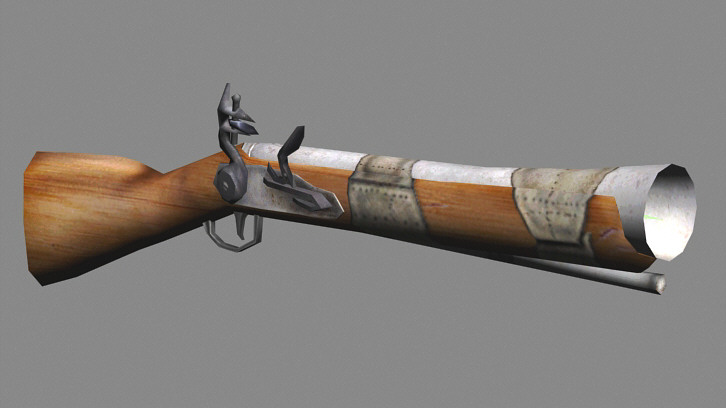
I find this puzzle is like Dan (and Rich) loaded up the old blunderbuss with various leftover clues and fired it at a grid. They seem rather simple, even for a Tuesday.
Across:
1A: Bergen's dummy Mortimer: SNERD. Edgar Bergen and Charlie McCarthy, plus Mortimer Snerd and Effie Klinker. Candice Bergen is Edgar Bergen's daughter.
6A: Letter after pi: RHO.
9A: Preschool lessons: ABC'S.
13A: George who played Sulu on "Star Trek": TAKEI. Lt. Sulu was the helmsman on the USS Enterprise. George Takei is still working at age 72.
14A: Castle protection: MOAT.
15A: Finish second: LOSE. Wish SHOW (39A: Broadway event) were clued as "Third place". Would be a nice weaving.
16A: Halo wearer: ANGEL.
17A: Quarreling once more: AT IT AGAIN. That's right, "AT IT" AGAIN.
21A: Give off: EMIT.
22A: Elegant tapestry : ARRAS. Tapestry was called ARRAS from where it was made, Arras, in Artois, France. When rooms were hung with tapestry it was a common thing for persons to hide behind it, especially the arras curtain before the door. Hubert concealed the two villains who were to put out Arthur's eyes behind the arras. Polonius was slain by Hamlet while concealed behind the arras.
26A: __ Lanka: SRI. Known as Ceylon before 1972.
33A: Colorful aquarium fish: TETRA.
35A: Tough-guy trait: MACHISMO.
36A: "__ Only Have Love": Jacques Brel song: IF WE. Jacques Brel, d 1978, was a Belgian singer-songwriter. Brel composed and recorded his songs almost exclusively in French. Sung by Johnny Mathis.
37A: Pretentious one : PSEUD. Nobody liked this word the last time we had it.
40A: Bloom with sword-shaped leaves: GLADIOLA. Tough to find a picture of just the leaves.
42A: With a single voice: AS ONE.
46A: Onetime Leno announcer Hall: EDD. "Edd Hall and Jay Leno" did not produce any images, Do we have anybody that knows the story behind that?
47A: The "A" in "CAT scan": AXIAL. c(omputerized) a(xial) t(omography)
48A: Philbin's sidekick: RIPA.
57A: Gambling metaphor for a risky venture: CRAPSHOOT. A roll of the dice.
60A: Harold of "Ghostbusters": RAMIS. On the right.
61A: Gigantic: HUGE.
62A: Storybook monster: OGRE.
63A: Standing upright: ERECT.
64A: "Yeah, sure!": I BET.
65A: Steno's need: PAD.
66A: Sausage servings: LINKS. What is a sausage sentence? It's a meaningful string of words whose beginning and ending letters match. For example, notice how the blue letters match in the following sentence: Every yellow warbler rested during Gideon's skillfully yodeled ditty. (I wouldn't say that was all that 'meaningful'.)
Down:
1D: Night twinkler: STAR.
2D: Half of Mork's signoff: NANU. The other half was NANU
3D: Cardiologist's tests, for short: EKGS. Electrocardiogram.
4D: Pee Wee of the '40s-'50s Dodgers: REESE. Card.
5D: Catch-22: DILEMMA.
6D: Univ. military org.: ROTC. Univ. - University
7D: Barber's concern: HAIR.
8D: Conductor Klemperer: OTTO.
9D: Suspected Soviet spy of the McCarthy era: ALGER HISS. He wasn't tried for his alleged espionage because the statute of limitations had expired. After a mistrial due to a hung jury, Hiss was tried a second time for two counts of perjury and received two concurrent five-year sentences,
10D: __ constrictor: BOA.
11D: TV forensic drama: CSI. Crime Scene Investigation
12D: Obama, before he became pres.: SEN.
14D: Blended ice cream drinks: MALTS.
18D: Inundated: AWASH.
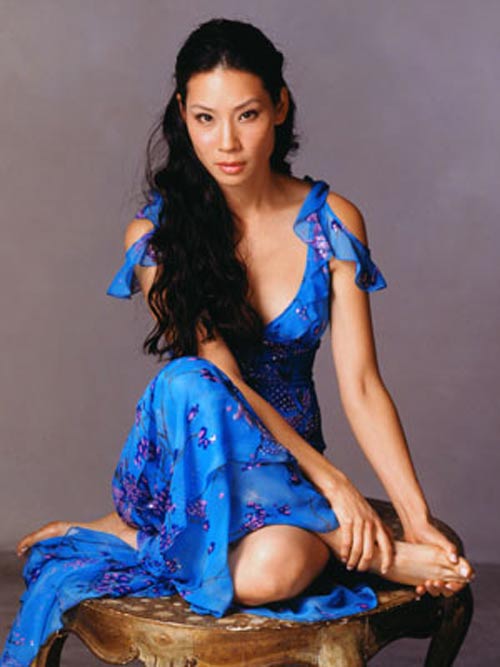
20D: Lucy of "Kill Bill": LIU. Can't pass up an opportunity to show Lucy Liu.
23D: Do a smith's job: RESHOE.
24D: __ Joy: candy bar: ALMOND. Yum...if you feel like a nut.
25D: Lost speed: SLOWED.
26D: Scarlet letter, e.g.: STIGMA. A mark of disgrace or infamy. Scarlet letter “A,” worn by one convicted of adultery.
27D: Stomach acid problem: REFLUX.
28D: Formal words of confession: IT WAS I.
30D: Bit of mudslinging: SMEAR.
31D: Water, in Cannes: EAU.
32D: Watch display, for short: LCD. Liquid Crystal Display. It replaced LED( Light-Emitting Diode).
34D: It's rolled out for celebs: RED CARPET. Great fill. Who's that on the RED CARPET?
37D: "The Raven" writer: POE.
38D: Utah's capital: Abbr.: SLC. Salt Lake City.
41D: Like bks. with pictures: ILLUS. Illustrated.
42D: Clothes: APPAREL.
44D: Rugged ridge: ARETE. Often clued as "Mountain ridge".
45D: Speaker's amplifying aid, briefly: MIC.
49D: Video game pioneer: ATARI.
51D: Boutique: SHOP.
52D: Old Roman attire: TOGA.
53D: British title: LORD.
54D: Feds under Ness: T-MEN.
55D: Moisten, as a stamp: LICK. Dennis, do you have Legends of Baseball stamps? Babe Ruth, Lou Gehrig, Ty Cobb & Cy Young are all honored in the set, so is our crossword stalwart TRIS Speaker.
56D: Body shop nos.: ESTS. Usually some big numbers(nos.) for estimates(ests) on fixing even a minor ding.
57D: Cubs, on scoreboards: CHI. Worms for anybody that doesn't know CHI (Chicago).
58D: Massage: RUB.
59D: Get older: AGE.
Answer grid.
Argyle
19A: "A Beautiful Mind" star: RUSSELL CROWE. Also starring Jennifer Connelly, who won an Oscar for her role in "A Beautiful Mind", directed by Ron Howard.
29A: Certain mollusk's protection: MUSSEL SHELL. Hmm, steamed mussels with white wine, yum!
43A: Marathoner's bane: MUSCLE CRAMP. Drink Quinine Water.
50A: Steal a herd: RUSTLE CATTLE. The old west story.
Argyle here. Hope I got the theme right.
Today's Dan Naddor Index (total non-theme entries with 6 or more letters) is 14, slightly below average. Nice stacks of 6's on the left and right edges of the grid.
I find this puzzle is like Dan (and Rich) loaded up the old blunderbuss with various leftover clues and fired it at a grid. They seem rather simple, even for a Tuesday.
Across:
1A: Bergen's dummy Mortimer: SNERD. Edgar Bergen and Charlie McCarthy, plus Mortimer Snerd and Effie Klinker. Candice Bergen is Edgar Bergen's daughter.
6A: Letter after pi: RHO.
9A: Preschool lessons: ABC'S.
13A: George who played Sulu on "Star Trek": TAKEI. Lt. Sulu was the helmsman on the USS Enterprise. George Takei is still working at age 72.
14A: Castle protection: MOAT.
15A: Finish second: LOSE. Wish SHOW (39A: Broadway event) were clued as "Third place". Would be a nice weaving.
16A: Halo wearer: ANGEL.
17A: Quarreling once more: AT IT AGAIN. That's right, "AT IT" AGAIN.
21A: Give off: EMIT.
22A: Elegant tapestry : ARRAS. Tapestry was called ARRAS from where it was made, Arras, in Artois, France. When rooms were hung with tapestry it was a common thing for persons to hide behind it, especially the arras curtain before the door. Hubert concealed the two villains who were to put out Arthur's eyes behind the arras. Polonius was slain by Hamlet while concealed behind the arras.
26A: __ Lanka: SRI. Known as Ceylon before 1972.
33A: Colorful aquarium fish: TETRA.
35A: Tough-guy trait: MACHISMO.
36A: "__ Only Have Love": Jacques Brel song: IF WE. Jacques Brel, d 1978, was a Belgian singer-songwriter. Brel composed and recorded his songs almost exclusively in French. Sung by Johnny Mathis.
37A: Pretentious one : PSEUD. Nobody liked this word the last time we had it.
40A: Bloom with sword-shaped leaves: GLADIOLA. Tough to find a picture of just the leaves.
42A: With a single voice: AS ONE.
46A: Onetime Leno announcer Hall: EDD. "Edd Hall and Jay Leno" did not produce any images, Do we have anybody that knows the story behind that?
47A: The "A" in "CAT scan": AXIAL. c(omputerized) a(xial) t(omography)
48A: Philbin's sidekick: RIPA.
57A: Gambling metaphor for a risky venture: CRAPSHOOT. A roll of the dice.
60A: Harold of "Ghostbusters": RAMIS. On the right.
61A: Gigantic: HUGE.
62A: Storybook monster: OGRE.
63A: Standing upright: ERECT.
64A: "Yeah, sure!": I BET.
65A: Steno's need: PAD.
66A: Sausage servings: LINKS. What is a sausage sentence? It's a meaningful string of words whose beginning and ending letters match. For example, notice how the blue letters match in the following sentence: Every yellow warbler rested during Gideon's skillfully yodeled ditty. (I wouldn't say that was all that 'meaningful'.)
Down:
1D: Night twinkler: STAR.
2D: Half of Mork's signoff: NANU. The other half was NANU
3D: Cardiologist's tests, for short: EKGS. Electrocardiogram.
4D: Pee Wee of the '40s-'50s Dodgers: REESE. Card.
5D: Catch-22: DILEMMA.
6D: Univ. military org.: ROTC. Univ. - University
7D: Barber's concern: HAIR.
8D: Conductor Klemperer: OTTO.
9D: Suspected Soviet spy of the McCarthy era: ALGER HISS. He wasn't tried for his alleged espionage because the statute of limitations had expired. After a mistrial due to a hung jury, Hiss was tried a second time for two counts of perjury and received two concurrent five-year sentences,
10D: __ constrictor: BOA.
11D: TV forensic drama: CSI. Crime Scene Investigation
12D: Obama, before he became pres.: SEN.
14D: Blended ice cream drinks: MALTS.
18D: Inundated: AWASH.
20D: Lucy of "Kill Bill": LIU. Can't pass up an opportunity to show Lucy Liu.
23D: Do a smith's job: RESHOE.
24D: __ Joy: candy bar: ALMOND. Yum...if you feel like a nut.
25D: Lost speed: SLOWED.
26D: Scarlet letter, e.g.: STIGMA. A mark of disgrace or infamy. Scarlet letter “A,” worn by one convicted of adultery.
27D: Stomach acid problem: REFLUX.
28D: Formal words of confession: IT WAS I.
30D: Bit of mudslinging: SMEAR.
31D: Water, in Cannes: EAU.
32D: Watch display, for short: LCD. Liquid Crystal Display. It replaced LED( Light-Emitting Diode).
34D: It's rolled out for celebs: RED CARPET. Great fill. Who's that on the RED CARPET?
37D: "The Raven" writer: POE.
38D: Utah's capital: Abbr.: SLC. Salt Lake City.
41D: Like bks. with pictures: ILLUS. Illustrated.
42D: Clothes: APPAREL.
44D: Rugged ridge: ARETE. Often clued as "Mountain ridge".
45D: Speaker's amplifying aid, briefly: MIC.
49D: Video game pioneer: ATARI.
51D: Boutique: SHOP.
52D: Old Roman attire: TOGA.
53D: British title: LORD.
54D: Feds under Ness: T-MEN.
55D: Moisten, as a stamp: LICK. Dennis, do you have Legends of Baseball stamps? Babe Ruth, Lou Gehrig, Ty Cobb & Cy Young are all honored in the set, so is our crossword stalwart TRIS Speaker.
56D: Body shop nos.: ESTS. Usually some big numbers(nos.) for estimates(ests) on fixing even a minor ding.
57D: Cubs, on scoreboards: CHI. Worms for anybody that doesn't know CHI (Chicago).
58D: Massage: RUB.
59D: Get older: AGE.
Answer grid.
Argyle